















-
 11:00 am - 12:00 pm
BESIP Info Session – Make your Immigration Experience your Career Advantage
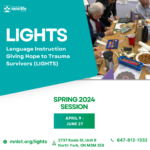
Online12:30 pm - 3:30 pmLIGHTS Spring 2024 Session
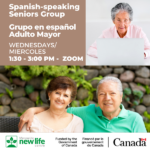
Keele Office1:30 pm - 3:00 pmSpanish-speaking Seniors Group
Online4:00 pm - 6:00 pmFarsi-speaking Women’s Group
Online -
10:00 am - 12:00 pm
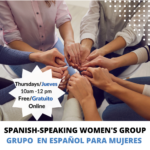
Spanish-speaking Women’s Group
Online10:00 am - 12:00 pmCitizenship Classes in Arabic
Online12:30 pm - 3:30 pmLIGHTS Spring 2024 Session
Online2:00 pm - 3:00 pmMandarin-speaking Seniors Group
Online -
12:00 pm - 1:30 pm
Citizenship Classes in Spanish
Online -
No event
-
No event
-
10:00 am - 11:00 am
C-Women Info Session
Online10:00 am - 11:00 amBEMC Info Session
Online -
10:00 am - 12:00 am
Join our MNLCT booth at the 2024 CPAC Job Fair
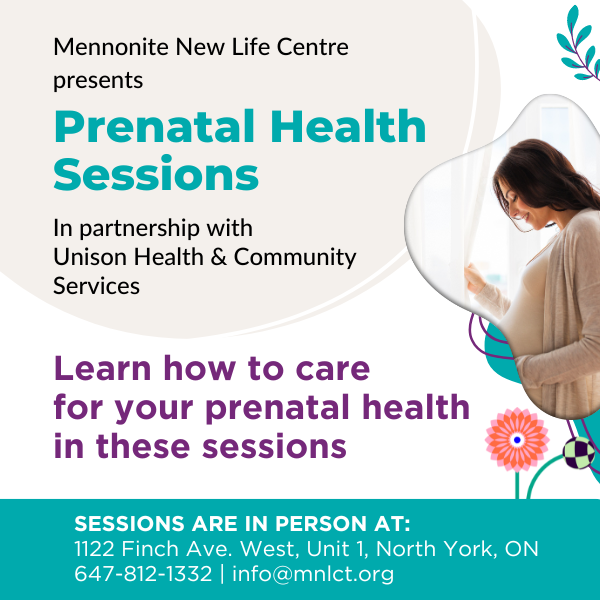
Job Fair11:00 am - 12:00 pmPrenatal Health Sessions
Finch Office12:30 pm - 3:30 pmLIGHTS Spring 2024 Session
Online -
All Day
Join our MNLCT booth at the 2024 CPAC Job Fair
Job Fair12:30 pm - 3:30 pmLIGHTS Spring 2024 Session
Keele Office1:00 pm - 3:00 pmSpanish-speaking Seniors Group – in-person
Keele Office4:00 pm - 6:00 pmFarsi-speaking Women’s Group
Online -
10:00 am - 12:00 pm
Spanish-speaking Women’s Group
Online10:00 am - 12:00 pmCitizenship Classes in Arabic
OnlineAll DayJoin our MNLCT booth at the 2024 CPAC Job Fair
Job Fair10:30 am - 11:30 amBESIP In-person Info Session
Finch Office12:30 pm - 3:30 pmLIGHTS Spring 2024 Session
Online1:00 pm - 2:00 pmBREM In-person Info Session
Finch Office2:00 pm - 3:00 pmMandarin-speaking Seniors Group
Online -
All Day
Join our MNLCT booth at the 2024 CPAC Job Fair
Job Fair12:00 pm - 1:30 pmCitizenship Classes in Spanish
Online -
8:45 am - 6:30 pm
Join us for the BEAR (Building Empowerment And Resilience) Hikes for Newcomers Program!
Yonge/Bloor12:00 am - 4:00 pmJoin our MNLCT booth at the 2024 CPAC Job Fair
Job Fair -
No event
-
No event
-
12:30 pm - 3:30 pm
LIGHTS Spring 2024 Session
Online5:00 pm - 7:00 pmSpanish-speaking Men’s Group
Online -
10:00 am - 11:00 am
BESIP Info Session – Make your Immigration Experience your Career Advantage
Online12:30 pm - 3:30 pmLIGHTS Spring 2024 Session
Keele Office1:30 pm - 3:00 pmSpanish-speaking Seniors Group
Online4:00 pm - 6:00 pmFarsi-speaking Women’s Group
Online -
10:00 am - 12:00 pm
Spanish-speaking Women’s Group
Online10:00 am - 12:00 pmCitizenship Classes in Arabic
Online12:30 pm - 3:30 pmLIGHTS Spring 2024 Session
Online2:00 pm - 3:00 pmMandarin-speaking Seniors Group
Online -
12:00 pm - 1:30 pm
Citizenship Classes in Spanish
Online -
No event
-
No event
-
No event
-
12:30 pm - 3:30 pm
LIGHTS Spring 2024 Session
Online -
12:30 pm - 3:30 pm
LIGHTS Spring 2024 Session
Keele Office1:30 pm - 3:00 pmSpanish-speaking Seniors Group
Online4:00 pm - 6:00 pmFarsi-speaking Women’s Group
Online -
10:00 am - 12:00 pm
Spanish-speaking Women’s Group
Online10:00 am - 12:00 pmCitizenship Classes in Arabic
Online10:30 am - 11:30 amC-Women In-person Info Session
Finch Office12:30 pm - 3:30 pmLIGHTS Spring 2024 Session
Online2:00 pm - 3:00 pmMandarin-speaking Seniors Group
Online -
12:00 pm - 1:30 pm
Citizenship Classes in Spanish
Online -
No event
-
No event
-
10:00 am - 11:00 am
BESIP Info Session – Make your Immigration Experience your Career Advantage
Online1:00 pm - 2:00 pmBREM Info Session
Online -
12:30 pm - 3:30 pm
LIGHTS Spring 2024 Session
Online5:00 pm - 7:00 pmSpanish-speaking Men’s Group
Online -
12:30 pm - 3:30 pm
LIGHTS Spring 2024 Session
Keele Office1:30 pm - 3:00 pmSpanish-speaking Seniors Group
Online4:00 pm - 6:00 pmFarsi-speaking Women’s Group
Online -
10:00 am - 12:00 pm
Spanish-speaking Women’s Group
Online10:00 am - 12:00 pmCitizenship Classes in Arabic
Online12:30 pm - 3:30 pmLIGHTS Spring 2024 Session
Online1:00 pm - 2:00 pmBEMC In-person Info Session
Finch Office2:00 pm - 3:00 pmMandarin-speaking Seniors Group
Online -
12:00 pm - 1:30 pm
Citizenship Classes in Spanish
Online





















 The Mennonite New Life Centre comes into being under the leadership of founding directors Adolfo and Betty Puricelli.
MNLCT moves to 1774 Queen St E, a building shared with two Toronto Mennonite churches. Around this time, the Centre begins to respond to a new refugee movement from the former Yugoslavia.
MNLCT celebrates its 25th anniversary by launching our first two internships for internationally trained psychologists, strengthening our mental health supports for refugees and immigrants struggling with different kinds of stress and trauma.
MNLCT opened a Finch office. The office is home to two bridging programs – Bridge to Registration and Employment in Mental Health (BREM) and Bridge to Employment in Media and Communications (BEMC) – as well as settlement and mental health counselling services.
MNLCT celebrates its 40th anniversary!




 In partnership with iCent